
Miwa Akihiro, gay rights pioneer turned phone mascot, dies at 91
Miwa is now eternalized as a glittery meme. Their life held gay activism, misogyny allegations, and the weight of war.

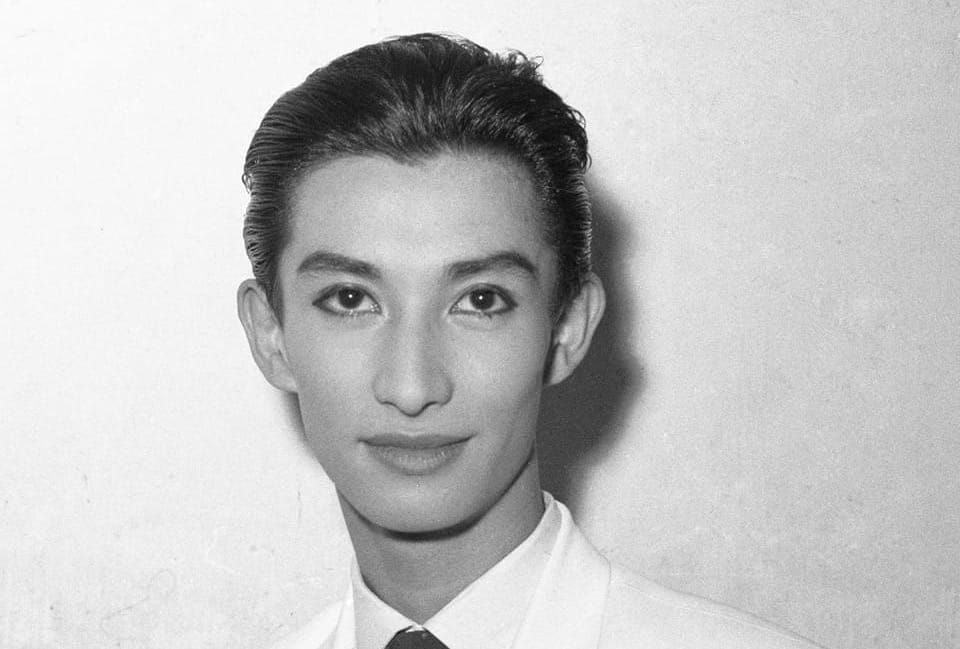
Miwa Akihiro (美輪明宏), a Japanese entertainment icon, gay icon, and drag queen, died on June 20th of old age at 91, their agency confirmed on June 28th.
BobaChair uses they/them pronouns when we can't find explicit English pronoun preferences of a person.
Miwa, born in Nagasaki in 1935, was one of the survivors of the US conducted nuclear bombing in Nagasaki in 1945 during World War II. They started singing in the 1950s, and appeared on NHK's Red and White Song Battle, the holy grail of Japanese singing performance show on TV, for the first time in 2012.
In the Shōwa era, a society where mainstream culture was homophobic, Miwa was one of the first openly gay people in show business, and they developed a drag persona who wears colorful dresses, which became their signature style until their death.
One of their iconic looks was golden long hair with sparkly dresses and shiny necklace. In 2022, this look was paired with Miwa's spiritual claims implying they had psychic powers on a TV show, and created lore in Taiwan that their drag style brought good luck and wealth when set as phone wallpapers.
This trend made Miwa a household celebrity among Taiwanese people for a brief time. Many of Taiwan’s central ministries delivered their takes on the fad, including Ministry of Finance, and Ministry of Culture who contributed artworks inspired by the drag look.
Despite being known as a drag queen, Miwa's legacy was shadowed by misogynistic actions throughout their career. According to Naigai Times, a long-lived Japanese tabloid that went bankrupt and stayed as an internet outlet, Miwa suggested a woman who was raped by her brother to stay silent about it to her husband, so her husband wouldn't carry the burden, and so her brother could be "saved", in an advice column on Light in Home (家の光), an agriculture and family themed magazine. The tabloid also cited a pattern of brutal, objectifying language Miwa used about women and infidelity on a TV show.
BobaChair is relying on Naigai Times' reporting, which documents both the column's content and the public backlash it drew. Mainstream Japanese media did not pick up the story — in keeping with an industry that tends to protect established stars from scrutiny.
Miwa's death was nonetheless mourned by the Japanese LGBT community, for their lifelong advocacy for gay rights. Japan's Supreme Court is expected to rule on same-sex marriage in early 2027.
After Miwa's death, their agency published their final letter, marking the end of a person whose early life was defined by war: "The only weapon to survive in a world like this is words of love. The key to solving all the problems in this world is love. If there is love, things like war will not happen."
Who gets an obituary at BobaChair? BobaChair dictates who gets one, just like every publication in the world. We don't accept pitches, but maybe we will accept them when we're slightly richer. JK. No media is rich lol. We don't have an obituary desk, so we promise you we don't prepare people's obituaries in advance. We think that's kinda gross.
Researched, hand written and finalized by a real human born and raised in Asia. Edited by Claude Sonnet 4.6 Low.


